
From Clipboards to Guard Apps: How Modern Gated Communities Are Upgrading the Guardhouse
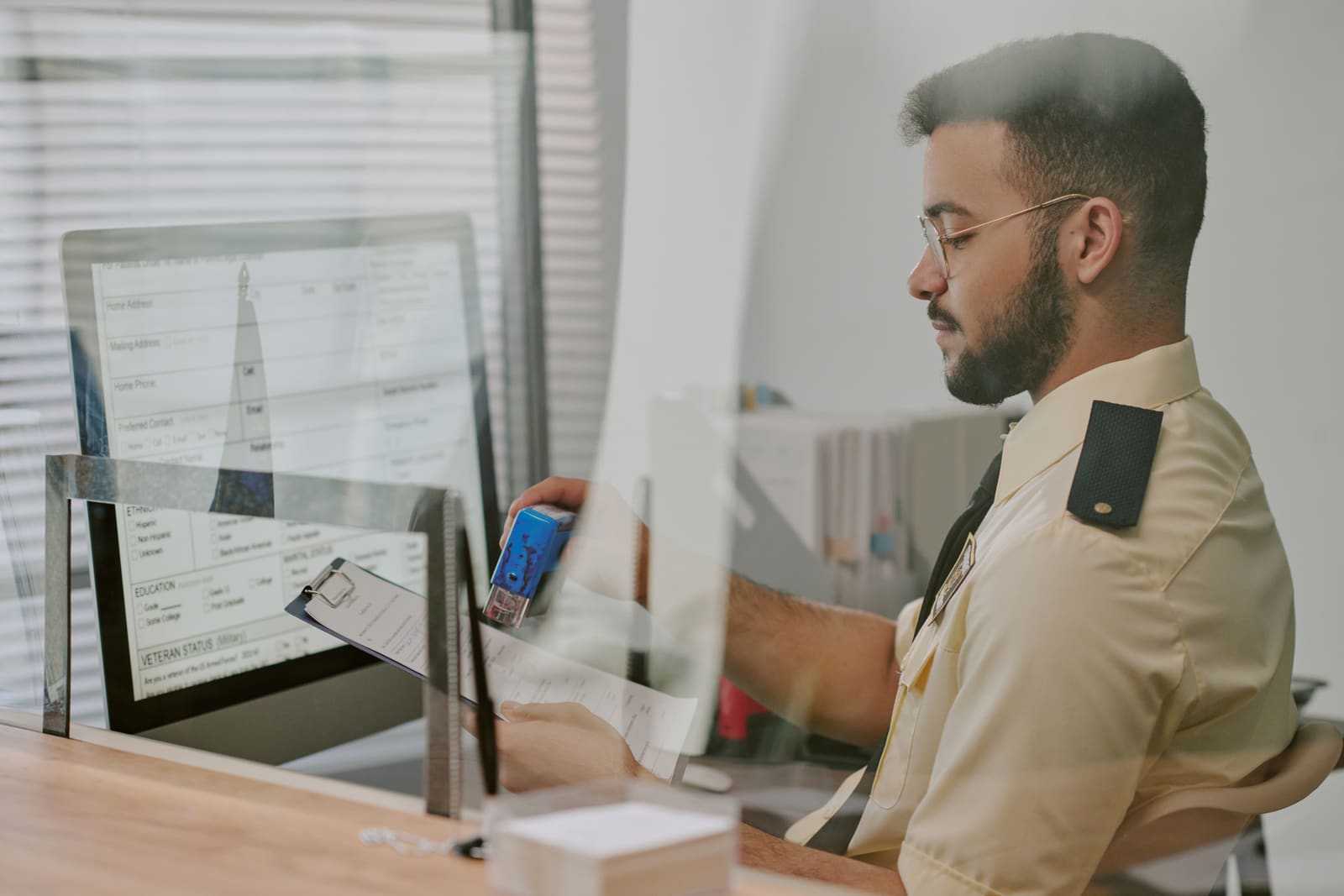
It is 7 PM on a Friday at the front gate of a 320-home community in suburban Texas. Six cars are stacked behind the boom barrier. The lead car is a DoorDash driver. The second is a grandmother visiting her daughter for dinner. The third has been honking for ninety seconds. Inside the guardhouse, the guard is doing exactly what he was trained to do. He is flipping through a three-ring binder looking for a name, then picking up the phone to call a homeowner who does not answer. By Monday morning, the board has four new complaints in the inbox. Here is what nobody on the board wants to admit: the guard did not do anything wrong. He is working exactly as fast as his tools allow. This is not a guard problem. It is a tools problem.
The Hidden Cost of Paper
Every gated community in America runs on some version of the same workflow: a clipboard, a logbook, a phone, and a guard doing his best. It looks cheap. It is not. Illegible handwriting means when police or your insurance carrier asks who entered between 2 and 4 AM, a scribbled ‘Garcia? Or Garza?’ is not an answer. It is a liability. Paper logs offer zero searchable history, so finding every visit from one vendor across the last sixty days means flipping pages for an afternoon. Shift-change context gets lost the moment a new guard takes over. And when a resident swears their package was stolen by a white pickup that came through the gate, you have no photo, no timestamp, no plate. You have a sentence in a binder. Property managers know this. Boards know this. Insurance carriers are starting to ask about it at renewal.
What a Guard App Actually Does
A guard app is not an app for residents. It is an app for the guardhouse itself. At Portun, ours is called PortunAccess and it runs on a basic Android tablet or phone in the booth. The moment you turn it on, the workflow changes completely. None of this is futuristic. Your bank, your airport, and your gym have been using the same tools for ten years. The guardhouse has been the last holdout. Here is what the guard and the board get on day one:
- QR scan at the gate in under two seconds, with the visitor pulling up the code sent by the resident via WhatsApp or text — no phone call, no binder lookup
- Pre-authorized guest lists synced from each resident’s phone: a contractor for Tuesday, in-laws for the weekend, a recurring cleaner every other Friday — all automatic
- Automatic photo and timestamp on every entry, with flags that surface instantly when a resident is restricted or a vendor is banned
- Full offline mode — if the internet drops during a storm, the app keeps logging locally and syncs the moment connection returns
What Residents and Boards Actually Gain
The resident experience is the visible win. Today, when a guest pulls up to the gate, three things happen: the guard calls the resident, the resident picks up or does not, and a line forms behind the visitor. With a guard app and pre-authorized guests, the flow becomes: guest arrives, guard scans the QR, gate opens, and the resident’s phone buzzes with a notification — ‘Your guest John arrived at 7:42 PM.’ No interruption to dinner, no awkward phone call, no line at the gate. Reduce friction by 90 percent and complaints drop by roughly the same amount. The board’s win is bigger and quieter: a real searchable audit trail for every entry, incident reports with photos instead of memory, real data on guard performance, and documented access control that makes insurance renewal conversations noticeably easier. Several boards have used the digital log as leverage to push back on premium increases.
But Our Guards Are Not Tech-Savvy (and Other Myths)
This is the objection every board raises, and it is understandable. Most guards are older, often working a second job, often Spanish-speaking. The board pictures expensive training, frustrated guards, and a system nobody uses. In practice: PortunAccess is one tap. Scan, confirm, done. Onboarding a new guard takes under thirty minutes, and the interface runs in English, Spanish, and Portuguese. If your guards can use WhatsApp — and they can — they can use this. Picture the same Friday night six months later. Same six cars. The DoorDash driver pulls up, shows a code, gate opens in eight seconds. Grandma is next, pre-authorized, same flow. The third car? No honking, because the line never formed. The guard is not flipping through a binder — he is watching the cameras, which is what you actually pay him to do.
Ready to Secure Your Community?
Start your 30-day free trial and experience the future of access control.
Start Free Trial